Who the Bajau Laut are
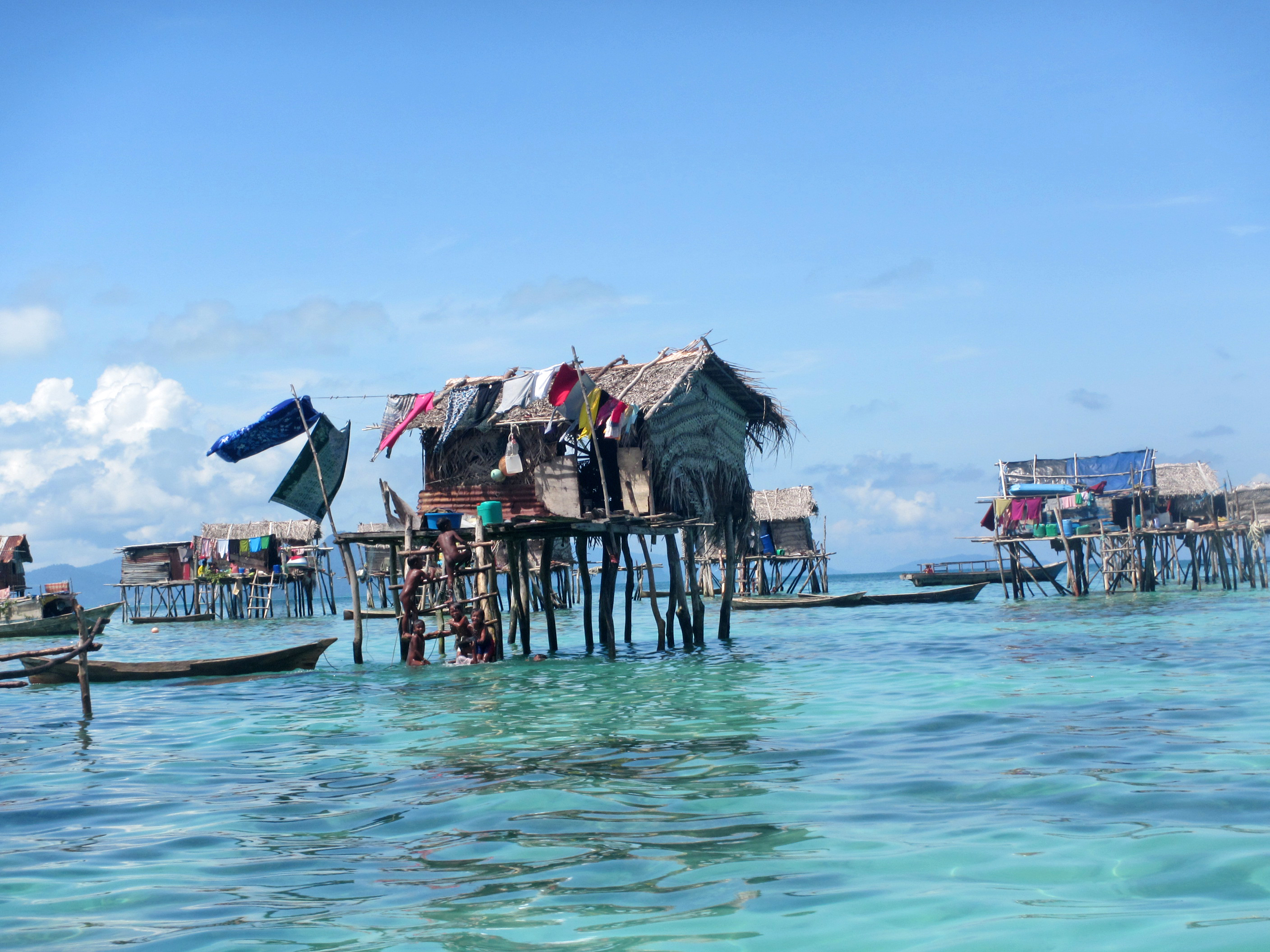
The Bajau are a maritime people of the Sulu and Celebes seas, spread across the coasts of Malaysia, the Philippines and Indonesia. The Bajau Laut — the "sea Bajau" — historically lived aboard boats called lepa, moving with fishing grounds and weather, coming ashore mainly for water, trade and burials. Over recent generations most have settled into stilt villages over the shallows, of which Mabul's are living examples: houses on timber posts above the tide, connected by walkways, with boats as the family vehicles below.
The freediving tradition
Bajau divers are famous for working underwater on a single breath — spearfishing and gathering on the reef at depths and durations that startle trained freedivers, a skill built from childhoods spent in the water. Research on Bajau physiology has drawn worldwide attention; on Mabul you simply see it daily, in kids who swim before they can properly walk and fishermen who slip below without a splash.
The hard part, said plainly
Many Bajau Laut in Sabah are stateless — without citizenship papers, and therefore with limited access to schooling, healthcare and formal work. It is a complex regional legacy of migration and borders drawn across a sea-based way of life, and it is part of why village poverty sits beside resort tourism on the same small island. Visitors do not solve this, but they can avoid making it worse: spend money in the village, treat people as hosts rather than photo subjects, and support operators who employ locally.
Etiquette
- Photography: ask first, every time — especially with children. Genuine interest is welcomed; a lens treated like a right is not.
- Dress and conduct: modest on the village walkways; save swimwear for the water and resort decks.
- Giving: buying beats handing out — sweets and cash to children teach the wrong lesson; custom at the village stalls teaches the right one.
- Homes: walkways pass close to private life. Move through as you would want strangers moving past your window.
More on daily island life in the island guide; the visitor's responsibilities get their full treatment in responsible travel.