The numbers
Nobody has completed a full census, but the working estimates are remarkable: over a thousand cats spread through a village of about two thousand people — plausibly more cats on the island at any moment than visitors. Households commonly keep two to six; the record-holders keep more than a dozen. They patrol the jetties at boat time, supervise the drying fish, occupy every warm boat cushion, and conduct quality control at the restaurants.
Why so many
A fishing island is a cat economy: daily fish scraps, warm boardwalks, no predators and no traffic. Cats arrived with settlers and boats generations ago and found the best posting in the Celebes Sea. The village largely feeds and tolerates them collectively — many are somewhere between owned and communal, which is a very Mabul arrangement.
The welfare picture, honestly
A thousand cats on twenty hectares also means the hard parts: skin conditions, injuries, and litters the island cannot absorb. Volunteer-driven neutering and treatment programmes have worked the island in waves — visiting vets, trap-neuter-return rounds, treatment days — and their continuation depends on funding and logistics. If the cats charm you (they will), asking your hosts about current welfare efforts and contributing there does more good than feeding table scraps to the fifteen individuals who have adopted your table.
Visitor rules of thumb
- Pet freely, feed sparingly — the island's cats are fed; its welfare programmes are underfunded.
- A cat on your bungalow deck at dawn is a feature, not a fault. The door latch is your side of the negotiation.
- Photographers: golden hour on the village boardwalks is the assignment. You will fill a memory card.
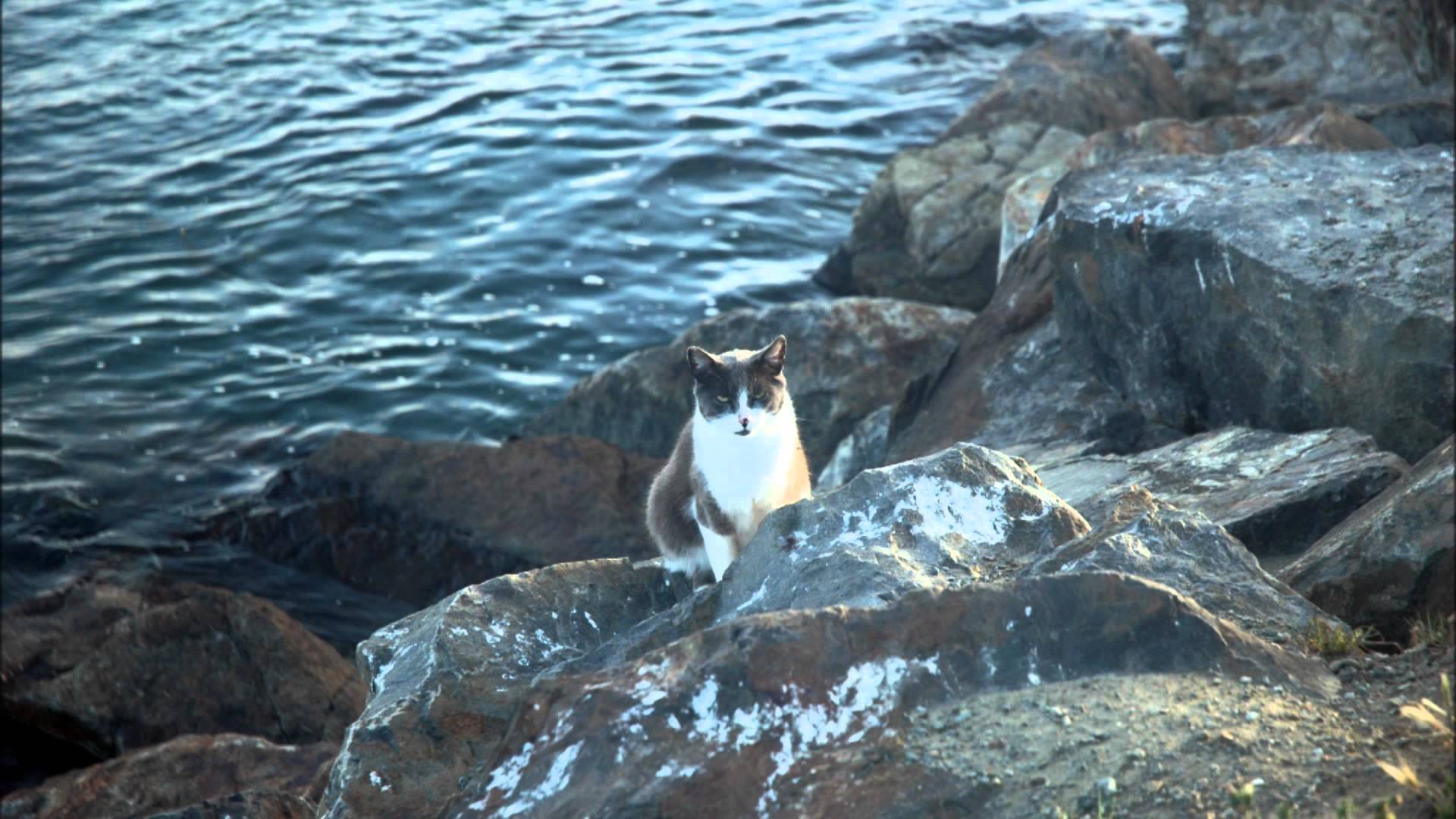
They are, of course, only the second-most famous residents — the first are in the marine life guide.