How the reef is laid out
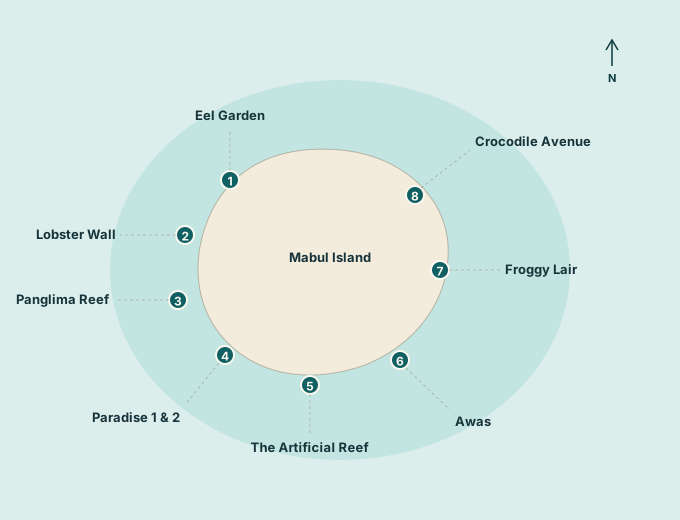
Mabul sits on the corner of a reef roughly 200 hectares in size on the edge of the continental shelf, with the surrounding seabed sloping away to 25–30 metres. The sites divide into walls and slopes on the reef edge, open sand and rubble flats — the classic muck terrain — and artificial structures that have become reefs in their own right. Almost everything worth diving sits shallower than 20 metres.
One honest note about names
Site names on Mabul vary by operator — one dive centre's "Froggy Lair" overlaps with another's "Paradise 1," and briefing boards do not always agree with maps. We note the overlaps on each page below; your guide's name for the site is the one that matters on the day.
The sites
- Lobster Wall — the western wall, and for many divers the island's best all-round dive.
- Froggy Lair — the classic reef-meets-sand slope, and the dusk mandarin venue.
- Paradise 1 & 2 — the most-dived sites on the island; staghorn gardens and signature muck.
- Awas — "caution" in Malay; bare sand hiding an absurd species count.
- Crocodile Avenue — the island's muck-diving benchmark and best night dive.
- Eel Garden — garden-eel colonies on the southwestern fringe.
- Panglima Reef — the gentle drift where beginners learn to love current.
- The Artificial Reef — sunken structures crawling with frogfish and schooling silver.
Species detail lives in the marine life guide; how a dive day is structured is in the diving guide.